
2023 August 4
This project, now a business, has been in the works since I was a child in grade school. As a young musician, I became curious about how the great orchestras in London and Berlin performed the same pieces I was learning. I traded recordings with relatives and friends in Europe and sought out live concerts whenever I could.
What struck me most was how even the finest recordings fell short of a live performance. The difference came down to energy–the musicians, the conductor, and the acoustics of the hall together produced something no loudspeaker could match at the time.
Then my parents introduced me to one of their friends. His Klipschhorn speakers and McIntosh electronics showed me what recordings could actually sound like. That encounter set me on a dual path: improving as a musician while learning to build loudspeakers. I could eventually afford used high-end electronics with what I earned from gigs, but first-rate speakers remained out of reach. So I began studying enclosure designs and drivers, then moved into trial and error with a modest six-by-nine coaxial speaker I had bought for about ten dollars. Before long I was building systems on commission for neighbors.
In middle school, friends introduced me to funk, R&B, and rock. Through musicians such as Bootsy Collins and Prince, I learned to play the bass guitar. Sneaking into a Prince concert, I was struck by one thing above all: the sheer volume. After I blew up one of my own speakers trying to replicate that intensity, a friend who worked at an old movie theater asked me to repair an Altec Lansing Voice of the Theatre speaker. In exchange, he let me take it apart. I wanted to understand how John Hilliard, its designer, had made such powerful sound with so little amplifier power.
Woodworking and tight finances shaped both my loudspeakers and the furniture I later built. Thanks to skilled shop teachers and two engineer parents, I learned to make high-quality pieces for a fraction of retail cost–partly because, in my early calculations, I never counted my own time. A classmate finished that education in two days. He walked to a corner store, bought junk food and soda, then resold everything the next day at a hundred-percent markup. I thought the profit looked outrageous until he showed me the real margin after accounting for his time walking, setting up, and advertising with a simple flyer. The lesson was clear: people will pay for convenience.
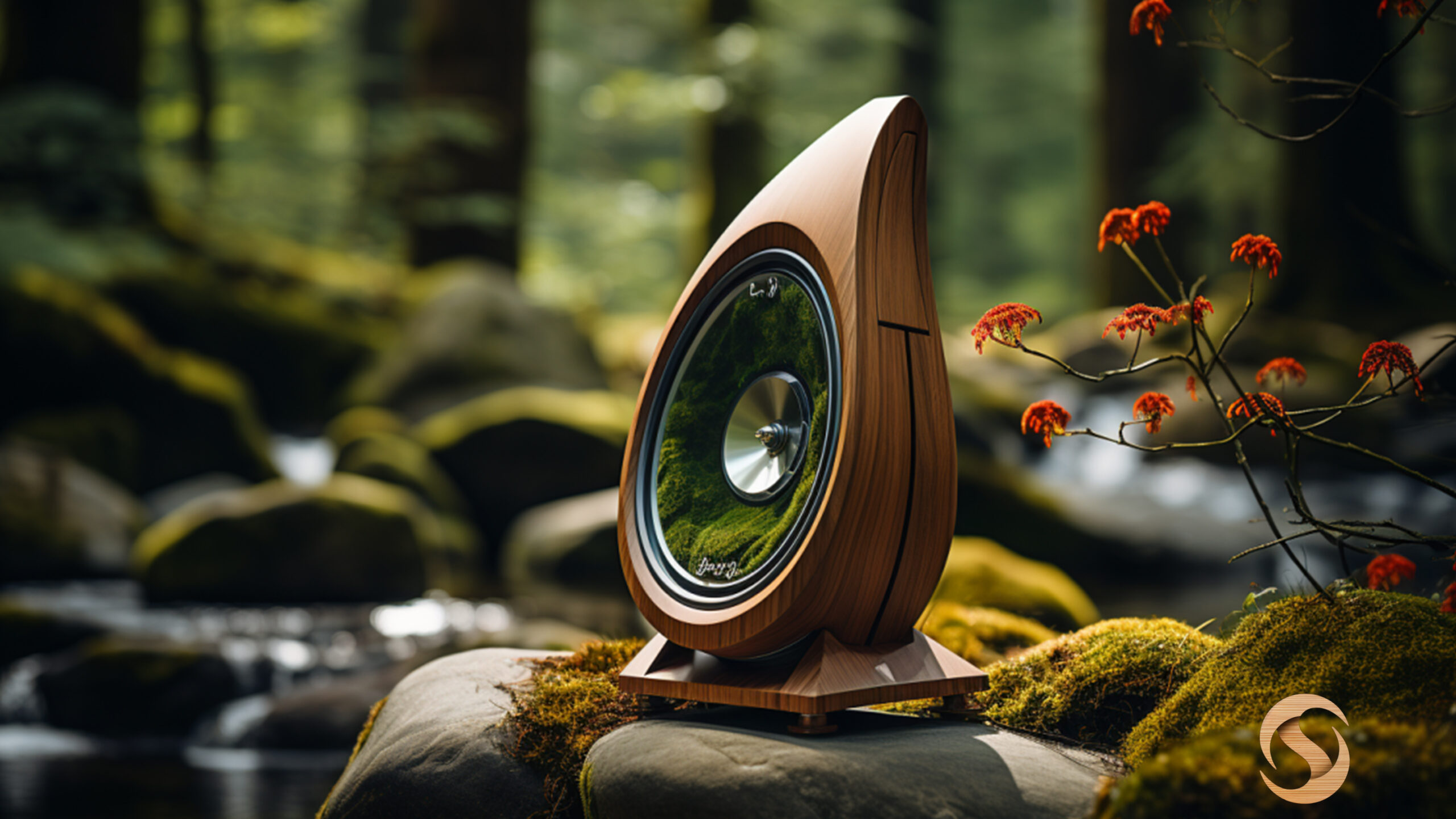
I am beginning with the Legacy 1 loudspeaker for three reasons. First, I recently installed a Dolby Atmos system. The sound is impressive, but the setup required fifteen speakers in a 9.2.4 configuration. That scale creates a practical incentive. Second, and more important, is sound quality. Back in grade school I noticed that a coaxial driver sounded more coherent because the tweeter and woofer were physically aligned; it also simplified the crossover. Only later did I learn that the Altec Lansing Duplex and 601 loudspeakers had already explored the same principle in the 1940s.
The Legacy 1 will build on that approach. Third, the work itself is satisfying–combining engineering, computer modeling, and hands-on craftsmanship with the help of modern tools. The real test will be how it compares with live music.
I’m also using artificial intelligence as part of the design process. I have finished the concept phase for the Legacy 1, assembled the necessary equipment for analysis and manufacture, and am now moving into detailed design.
You can follow the project at SpectacularSmith.com.
Below is a short video that shows the work completed so far.
READY TO EXPLORE THE FULL PROCESS?
Join our community on Patreon for complete articles, creative process breakdowns, minimalist frameworks, and downloadable tools — including reusable templates and behind-the-scenes access.